Reading the water: tides, wind and where we swim
28 June 2026
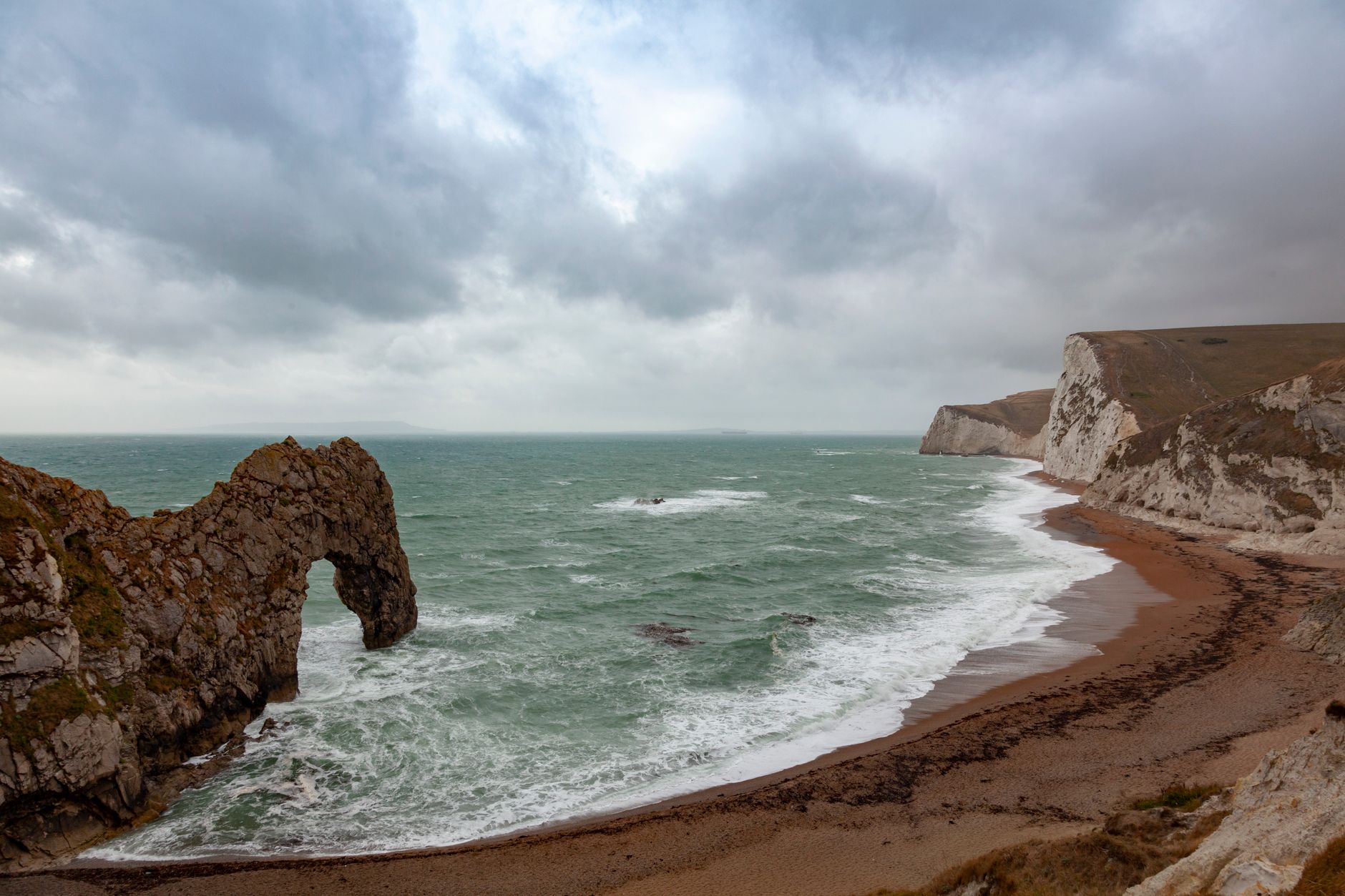
Every Coast & Current session starts the night before, with a guide staring at three tabs: the tide tables, the wind forecast, and the swell chart. Here's what we're looking at, and why it sometimes means a venue change at 7am.
Tide: the metronome
The Dorset coast has a decent tidal range, and it changes more than the depth of the water. Mid-tide on a big spring can push serious current along the shore — the "current" in our name is not decorative. We prefer to swim the hour either side of slack (high or low water), when the sea pauses for breath.
Tide also decides entry. A beach that's a gentle sand entry at low water can be a steep shingle dump at high. Part of a guide's local knowledge is simply knowing which of our spots works at which tide state.
Wind: the dealbreaker
Wind matters more than cold, more than rain, more than almost anything. The rule of thumb we use:
- Offshore wind (from the land) — flat, deceptively inviting water that will carry a tired swimmer or a tow float out to sea. We keep everyone tight to shore, well within the marked area.
- Onshore wind (from the sea) — chop, surf at the entry, harder breathing on one side. Fine at 10 knots, a washing machine at 20.
- Anything above force 4–5 — we move to the sheltered side of the headland, or we make it a coffee morning. The sea will still be there on Thursday.
Swell: yesterday's weather, arriving today
Swell is wind that blew somewhere else, sometimes days ago. A glassy, windless Dorset morning can still carry a metre of leftover swell from an Atlantic blow — and swell is what makes entries and exits dangerous, because it breaks exactly where you are getting in and out. Under a metre at long period we swim; over that, we think hard about which cove is shadowed from it.
Why this is a group skill
None of this is difficult, but all of it is local. The same forecast means different things at a west-facing beach and an east-facing cove two miles apart — which is why our sessions name a decision, not just a time: we confirm the venue the evening before, and occasionally at dawn we move it.
Come enough times and you absorb it. Reading the water is the most transferable thing we teach, and nobody learns it from an app alone.