What actually happens to your body in cold water
16 June 2026
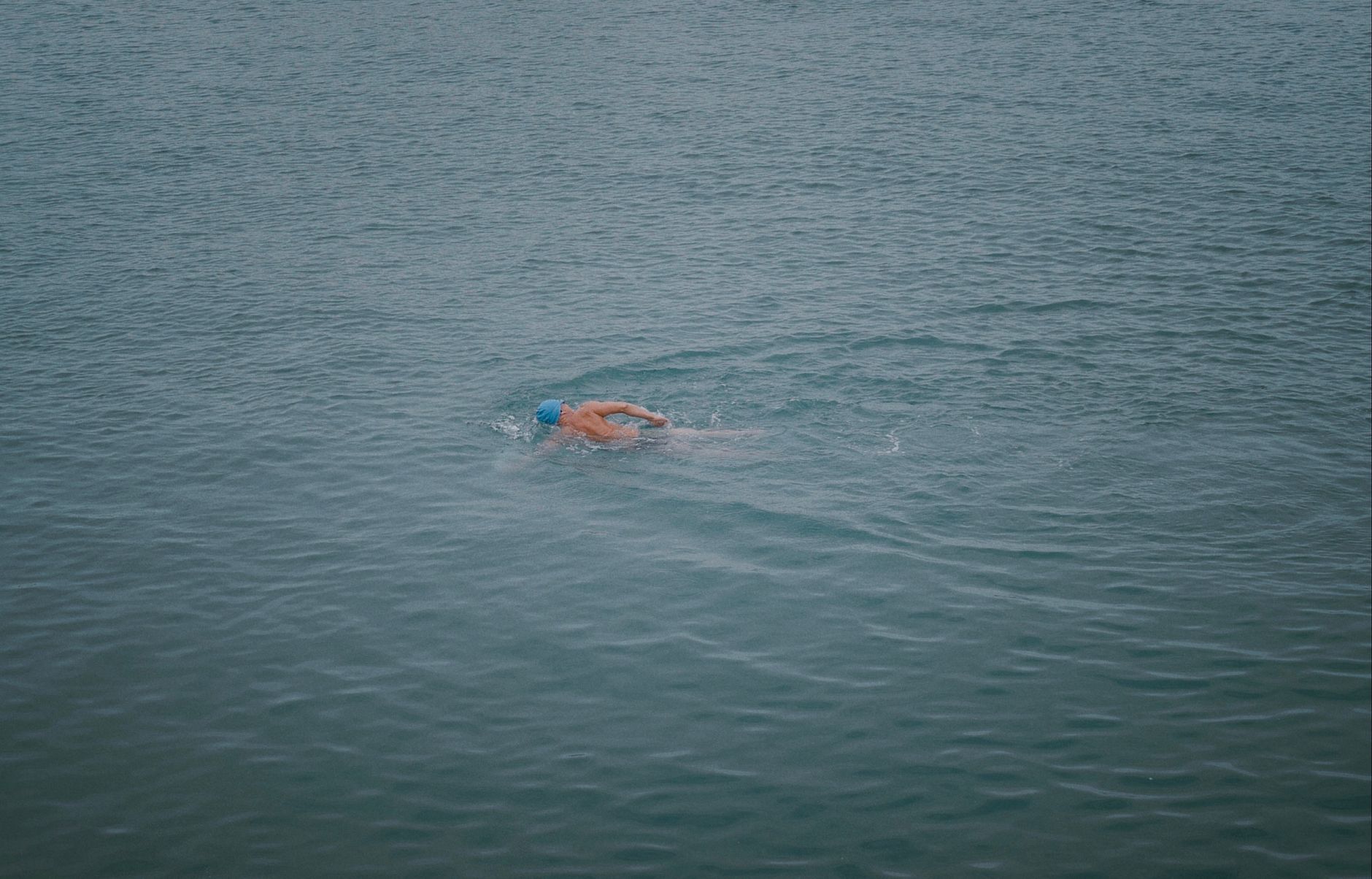
Cold water immersion has collected a lot of mystique. Underneath it is a set of well-understood physiological responses — and knowing them is genuinely useful, because the first one is the only one that regularly hurts people.
Minute one: cold shock
Step into water below about 15°C and your body fires an involuntary alarm: a huge gasp reflex, then rapid, uncontrollable breathing. Your heart rate and blood pressure spike. This is the cold shock response, it peaks in roughly the first 30 seconds to 3 minutes, and it is the single biggest danger in cold water — not hypothermia. A gasp taken underwater is how strong swimmers drown in cold seas.
This is why we enter slowly, feet first, shoulders under only when breathing settles. Give the reflex nothing to work with and it passes — sooner and more gently every time you swim, because cold shock habituates remarkably fast. Five or six exposures is enough to blunt it measurably.
Minutes two to ten: the squeeze
Your body defends its core by clamping down circulation to the skin and limbs — peripheral vasoconstriction. Blood shifts to your trunk, your hands and feet go clumsy, and your body burns fuel to hold its core temperature. This is the phase where the water stops feeling hostile and starts feeling — there's no better word for it — alive. The adrenaline, noradrenaline and dopamine release here is real and measured, and it's the neurochemical basis of the famous post-swim high.
Beyond ten minutes: the quiet thief
Stay in long enough and muscle temperature falls until your stroke degrades — cold incapacitation. It arrives well before true hypothermia and it is why we set swim times by the water temperature and never swim beyond our exit point. Hypothermia proper takes 30+ minutes even in very cold water; almost nobody swimming sensibly ever meets it. Incapacitation is the one to respect.
After: the after-drop
Your core keeps cooling for up to 20–30 minutes after you exit, as chilled blood from your limbs rejoins the circulation. Peak shivering on the beach, ten minutes after a swim you felt great about, is normal and expected. Dry clothes immediately, warm drink, keep moving gently. No hot shower straight away — it accelerates the drop.
Every part of our session format — the slow entry, the time limits, the group exit, the flasks — maps onto one of these four phases. The cold is predictable. That's exactly what makes it safe to enjoy.